What the pass actually pays for
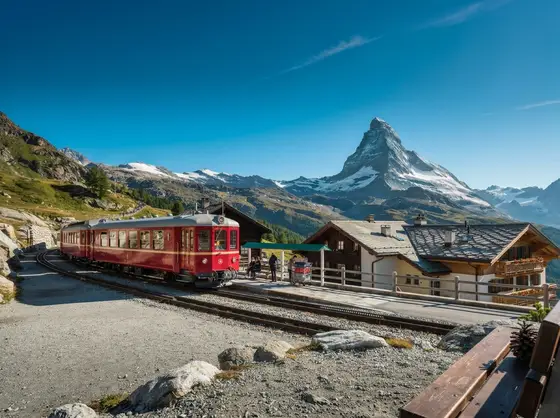
One ticket puts you on the trains, the postbuses and the lake boats, and it keeps working the moment you step off and onto a tram in the town you've just arrived in. City transport is covered in over 90 towns, and more than 500 museums let you in on the same pass. Mountain railways set their own rules, and the pass treats them three different ways.
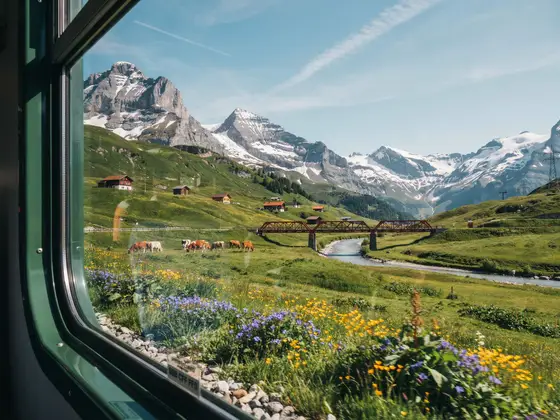
Trains, buses and boats Whole country
Free travel on the network
- City transport in over 90 towns
- Scenic route fares covered, seat reservations never
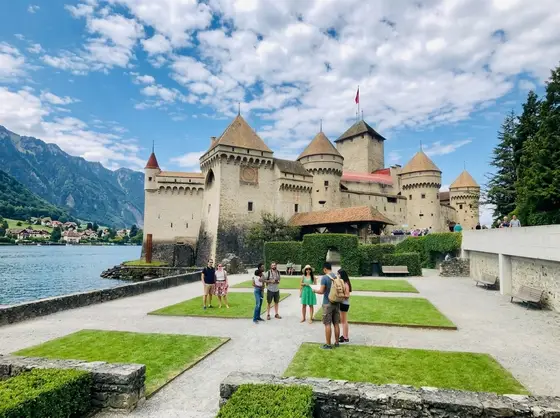
Museums and attractions 500+
Free entry at more than 500 museums
- Walk up, show the pass, go in
Mountains Depends on the peak
3 covered outright, 24 at half price
- Rigi, Stanserhorn and Stoos on the pass
- Jungfraujoch at 25% off the final leg only
- Five peaks with no discount at all
The pass comes in 3, 4, 6, 8 and 15 day durations, in first or second class, and as either Continuous or Flexi. Second class starts at $313 (€270) for three days and runs to $615 (€507) for fifteen. You have to live outside Switzerland and Liechtenstein to buy one.
Getting around on it
You board, you show the pass, you sit down, and on the trains, the buses and the boats that's the whole procedure. The panoramic trains are the exception, because the seat has to be booked even though the fare is already paid.
City transport, town by town 90+ towns
Which trams, buses and local trains your pass covers once you're off the intercity network, and where the town boundary sits.
Boats on the Swiss lakes Included
Scheduled lake services your pass carries you on, and how they slot into a day that started on a train.
Scenic routes and their reservation fees CHF 20 to CHF 54
The named panoramic trains, with the seat reservation each one charges on top of your pass.
Mountains, where the coverage stops being simple
Three summits ride entirely on the pass: Rigi, Stanserhorn and Stoos. Twenty-four more cut the mountain ticket in half, Jungfraujoch knocks 25% off the last leg and nothing before it, and five peaks ignore the pass completely and charge you full price at the counter. If your trip has an Alpine day in it, this is the page to read before you commit to a duration, because a single full-price mountain ticket can rearrange the maths on a short pass.
Mountain coverage, peak by peak Start here
Every summit sorted into full coverage, half price, part discount and nothing, so you can find yours without guessing.
What the pass doesn't cover The gaps
The peaks, fares and extras your pass won't touch, and what you're expected to pay separately.
Free entry, once you're off the train
More than 500 museums let you in on the pass, and a run of other attractions do the same. It's the easiest thing to forget you're carrying, which is a shame on a wet afternoon in a city where the entry counter would otherwise want a fare of its own.
Museums included with the pass 500+
What's on the list, by city, and how entry works when you arrive without a ticket.
Attractions that cost you nothing Beyond museums
The sights, funiculars and viewpoints your pass gets you into without a separate fare.
The pass against the Half Fare Card
Swiss Travel Pass 3 to 15 days
$313 (€270) for 3 days, second class
- Travel, city transport and museum entry all included
- Up to $615 (€507) for 15 days
Swiss Half Fare Card 30 days
$185 (€160) for 30 days
- Fares cut rather than covered, so you still buy a ticket each time
- Longer window, lighter coverage
There's a third route, which is to skip the national pass and buy a regional one. Four of them cover their own patch: Berner Oberland, Jungfrau, Lucerne and Lake Geneva-Alps. They make sense when your trip sits inside one of those areas and never really leaves it, and they stop making sense the moment your itinerary strings three regions together.
FAQ
Is everything in Switzerland free with the Swiss Travel Pass?
No. Trains, buses, boats, city transport in over 90 towns and entry to more than 500 museums are covered outright. Mountain railways are the exception: three are included in full, 24 are half price, Jungfraujoch gives 25% on the final leg and five give nothing.
Are seat reservations included?
Never, on any train. The scenic routes charge a reservation on top of your pass, from CHF 20 on the GoldenPass to CHF 54 on the Glacier Express, and the fare itself is the part your pass has already paid.
Who is allowed to buy one?
You have to live outside Switzerland and Liechtenstein. Residency is the only condition on the purchase.
Which durations does it come in?
3, 4, 6, 8 and 15 days, in first or second class, as Continuous or Flexi. Second class runs from $313 (€270) for three days to $615 (€507) for fifteen.
Is the Half Fare Card a better buy?
It's $185 (€160) and lasts 30 days, so it suits a long, slow trip where you're not moving every day. The pass wins when you're travelling hard, because it covers the fares rather than discounting them and throws in the museums.
Should I buy a regional pass instead?
If your whole trip sits inside the Berner Oberland, the Jungfrau region, Lucerne or Lake Geneva-Alps, the matching regional pass is worth pricing up. If you're crossing the country, the national pass is the one that keeps working.